
10 Habits That Keep Garage Cabinets Functional Year After Year
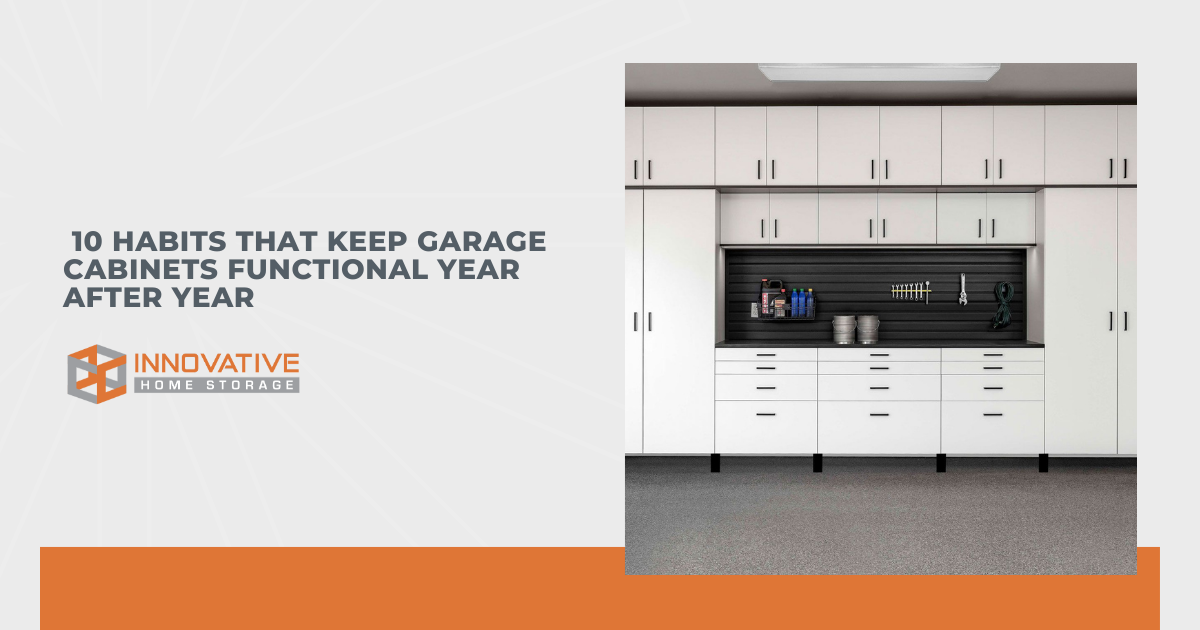
Garage cabinets tend to look their best on day one, but what really matters is how they perform years down the line. I’ve seen garage cabinets become frustrating to use simply because everyday habits slowly worked against them. Your cabinets are meant to support daily routines, store heavy items, and handle changing seasons. With consistent care and thoughtful use, you can keep them performing well long after installation.
Through years of designing and organizing garages, one thing has become very clear to me: cabinets that stay functional over time are almost always supported by practical routines that fit naturally into daily life. If you want your cabinets to keep opening smoothly and holding up to real use, small, intentional habits make the difference. These are the kinds of routines that prevent cabinets from slowly becoming harder to use.
Here are the 10 habits that help keep garage cabinets functional year after year:
- Assign specific storage zones inside garage cabinets
- Avoid overloading shelves and cabinet drawers
- Clean garage cabinets on a regular schedule
- Store chemicals and liquids in sealed containers
- Open and close cabinet doors and drawers properly
- Reorganize garage cabinets seasonally
- Inspect hardware and fasteners annually
- Protect garage cabinets from moisture and temperature extremes
- Use drawer liners and shelf mats
- Store heavy or awkward items low
If you’ve ever wondered why some cabinets stay smooth and sturdy while others start sticking, sagging, or feeling messy, these habits explain a lot. Each one is manageable on its own, but together they help create cabinets that are easier to use and easier to maintain.
Assign Specific Storage Zones Inside Garage Cabinets
One of the most effective habits I recommend is assigning clear storage zones inside garage cabinets. When your tools, cleaning supplies, sports gear, and hardware each have a defined home, your cabinets are easier to maintain and less likely to become overcrowded. This approach prevents items from being stacked randomly or shoved wherever space allows. Over time, that organization reduces unnecessary wear on shelves and doors.
Storage zones also make it easier for you to spot when clutter starts to creep back in. If one cabinet is designated for tools only, you’ll notice right away when unrelated items begin piling up. That awareness makes it easier to reset things quickly instead of letting them spiral out of control. In my experience, this habit alone can significantly improve how long your garage cabinets remain functional.
Avoid Overloading Shelves and Cabinet Drawers
Garage cabinets are designed to handle weight, but every shelf and drawer still has its limits. If you overload them, cabinets are more likely to lose alignment or start to sag. I often see cabinets that look sturdy from the outside but show internal damage caused by too much weight in one area. Being mindful of capacity goes a long way in preventing those issues.
If you distribute heavier items across multiple cabinets, you reduce stress on individual components. It also helps your drawers and doors open and close more smoothly. When you take weight limits seriously, your garage cabinets tend to stay level and functional much longer. This habit protects both the cabinet structure and the hardware.
Clean Garage Cabinets on a Regular Schedule
Cleaning garage cabinets may not be top of mind, but it plays a bigger role than many people expect. Dust, dirt, and residue from chemicals can slowly wear down surfaces and finishes, especially if they build up over time. I usually suggest wiping down your cabinet exteriors and interiors a few times a year. It is a simple habit that helps preserve the materials.
Regular cleaning also gives you a chance to catch small issues early. You might notice a loose handle, a sticky drawer, or a minor spill before it becomes a bigger problem. Staying aware of cabinet condition makes maintenance easier over time. Clean cabinets tend to function better and last longer.
Store Chemicals and Liquids in Sealed Containers
Many garages store paint, oil, cleaners, and other liquids that can be tough on cabinetry. If those products leak or spill, they can cause staining, corrosion, or surface damage inside your garage cabinets. I always recommend using sealed containers and placing them in bins or trays when possible. This adds an extra layer of protection.
Even a small leak can go unnoticed for months and cause lasting damage. Proper containment makes cleanup easier and helps preserve your cabinet interiors. This habit also improves safety and keeps cabinets looking better long term. It is a simple step that prevents avoidable wear.
Open and Close Cabinet Doors and Drawers Properly
How you handle garage cabinets each day has a direct impact on their lifespan. Slamming doors or pulling drawers too forcefully puts strain on hinges and slides. Over time, that stress can lead to misalignment or hardware failure. I have seen cabinets break down simply because they were handled roughly.
Making a habit of opening and closing doors and drawers gently helps preserve moving parts. This is especially important if your cabinets have soft-close features. Treating cabinets with care does not slow things down, but it does keep everything functioning smoothly. It is an easy habit that often gets overlooked.
Reorganize Garage Cabinets Seasonally
Seasonal reorganization is one of the most effective ways to maintain functional garage cabinets. Your garage naturally collects items that are only used part of the year, which can quickly overwhelm storage. Taking time to rotate seasonal gear keeps your cabinets balanced and accessible. It also prevents overcrowding.
Reorganizing encourages you to reassess what you actually need. Items that are rarely used tend to stand out during this process. This habit helps keep your cabinets from turning into long-term storage for clutter. Over time, seasonal resets keep your cabinet system working as intended.
Inspect Hardware and Fasteners Annually
An annual inspection of cabinet hardware can make a noticeable difference in performance. Hinges, drawer slides, and handles can loosen with regular use, especially if cabinets are opened frequently. Tightening them once a year helps prevent misalignment and uneven wear. It is a quick task with lasting benefits.
Small hardware issues rarely resolve on their own. Catching them early helps your cabinets operate smoothly and avoids larger repairs later. This habit supports both functionality and appearance. Consistent inspections can help extend the life of your garage cabinets.
Protect Garage Cabinets From Moisture and Temperature Extremes
Garages are exposed to changing temperatures and moisture levels throughout the year. Over time, excess humidity or cold can affect cabinet materials and finishes, especially in spaces that hold condensation. I often recommend keeping cabinets elevated off damp floors when possible. Ventilation or a dehumidifier can also help in certain environments.
Managing moisture is especially important for long-term cabinet performance. Even well-built garage cabinets benefit from a stable environment. Small preventative steps can reduce the risk of warping, corrosion, or surface damage. This habit plays a major role in how your cabinets age.
Use Drawer Liners and Shelf Mats
Drawer liners and shelf mats are an easy way to protect cabinet interiors. They reduce scratches, absorb minor spills, and make cleaning easier when something inevitably drips or scuffs. I often suggest them as a low-effort upgrade that adds long-term value. They also help keep items from shifting during use.
These liners reduce wear on cabinet surfaces over time. You can replace them as needed without affecting the cabinet itself. Cabinets that use liners tend to maintain a cleaner, more finished look. It is a small habit that adds noticeable protection.
Store Heavy or Awkward Items Low
Where you store items inside garage cabinets matters just as much as what you store. Heavy or bulky items should always go in lower cabinets. This reduces strain on upper cabinets and improves overall safety when you are lifting or reaching. I have seen upper cabinets suffer unnecessary damage due to poor weight placement.
Lower storage keeps heavy items easier for you to access and better supported. It also reduces stress on mounting hardware and cabinet frames. When you store weight thoughtfully, cabinets stay more secure over time. This habit benefits both cabinet longevity and everyday usability.
Conclusion
Garage cabinets work best when they support your routine instead of fighting it. A few small habits can prevent the slow build-up of clutter, wear, and frustration that makes cabinets feel “old” long before they should. Even adopting one or two of these practices can make a noticeable difference over time. When your cabinets are easier to use, they naturally stay better organized and more enjoyable to live with.